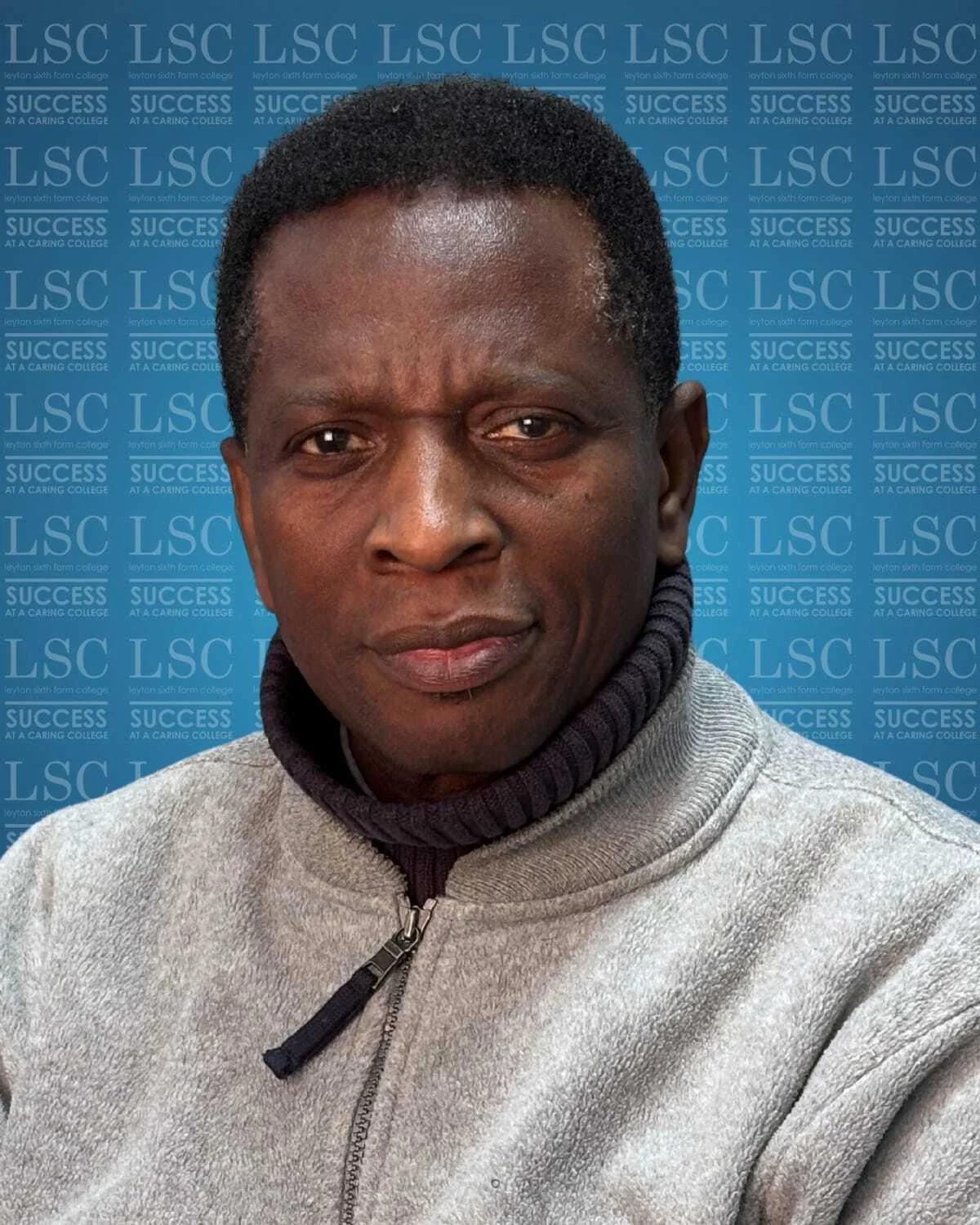
A Sermon
Delivered on Wednesday Evening, June 17th, 2026, by
Evangelist PAUL ACQUAH,
Live on MZ Radio London, London UK.
Have you ever felt overwhelmed by the pressures of life? Have you carried burdens that seemed too heavy to bear, faced challenges beyond your strength, or struggled to find peace in the midst of uncertainty? Many people spend their lives relying on their own abilities, trying to solve every problem and carry every responsibility alone. Yet God’s plan has never been for us to walk through life by ourselves. He desires something greater. He wants a partnership with us. He doesn’t stand at a distance waiting for you to figure things out. Instead, He invites you into a relationship where He walks with you, strengthens you, and carries what you cannot. In a world that pushes self-reliance, Jesus offers something different – rest, grace, and a shared journey. In today’s message titled “God wants to partner with you,” Evangelist Paul Acquah talks about what it truly means to walk with Him, to trust Him, and to discover the peace that comes when you stop striving and start partnering with God. Be blessed as you listen!
28 “Come to me, all you who are weary and burdened, and I will give you rest. 29 Take my yoke upon you and learn from me, for I am gentle and humble in heart, and you will find rest for your souls. 30 For my yoke is easy and my burden is light.”.” The key phrase here is : ‘Take my yoke upon you and learn from me’ (Matthew 11:28-30). So, what’s a yoke? Historically, a yoke was a heavy wooden crossbar placed over the necks of animals (usually oxen) to pair them for work. A yoke was used to pair a younger, untrained ox with an older, experienced ox. Understanding this metaphor reveals its true meaning: Metaphorically, a yoke symbolised dependence or submission. A new ox was often trained for ploughing or to pull a two- or four-wheeled vehicle by yoking it with an experienced ox. The yoke kept the young ox from “doing its own thing,” and it soon learned obedience to its master. In like manner, we are to commit ourselves to being yoked to Jesus. We are to partner with Jesus so we can live meaningful lives. “It is not in man that walketh to direct his steps” (Jeremiah 10:23). Therefore, we have to bear the yoke in our youth (Lamentations 3:27) if we want to become mature Christians.
Jewish people described living under obedience to the Law as having a yoke upon them. In Jesus’ time, the Pharisees made that load even heavier by adding manmade requirements and regulations on top of the law of Moses (Matthew 23:4). But Jesus says “His yoke is easy and his burden light ” and that means resting on God’s grace rather than striving under legalism. The “easy yoke” portrays the transition from a heavy burden of strict religious rules to a free, love-motivated relationship with God. So being “yoked to Jesus” means letting Him help you avoid heavy spiritual load, shifting your focus from your own performance to the finished work of the Cross. Again being “yoked to Jesus” means letting Him pull the heavy spiritual load but sadly, many Christians often exhaust themselves trying to “earn” God’s favour or blessings through sheer willpower. And that means trying to take the “weight” back from Jesus.
Jesus is the “senior partner” who carries most of the weight, making our responsibilities pleasant and manageable. Jesus’s yoke is centred on love and grace, rather than an exhausting list of strict, man-made religious rule. The metaphor implies a shared partnership. Yokes were usually built for two; by taking up Jesus’s yoke, the believer walks alongside Him, allowing Him to shoulder the heaviest weight of life’s struggles. Taking His yoke is the opposite of religious performance or striving. It is willingly linking yourself to Jesus so that He guides your direction and carries your burdens (Proverbs 3:5-6). Jesus invites the weary to “Take my yoke upon you and learn from me, for I am gentle and humble in heart, and you will find rest for your souls.” Jesus is warning us to submit ourselves to Him, for true rest comes from serving Him, not ourselves (Matthew 10:38-39, 16:24-25; Mark 8:34-37; and Luke 9:23-25).
You need to understand that God has given us His enabling grace to do what we cannot do on our own— it’s not by power nor by might but by his Spirit says the Lord. Jesus carried the ultimate burden of our sin for us and has provided us power in the Holy Spirit to carry out His will. Being yoked together changes the atmosphere of your work. Even difficult situations become joyful and peaceful because you operate out of His strength instead of your own human limits. The function of the yoke is to make burdens easier to carry. I love this image of walking in step with Jesus, sharing our burdens, making the trials to be endured and the battles to be faced ‘easy’ and ‘light’ by comparison. Jesus is not a slave driver. When you pursue his agenda for your life you carry a burden, but it is ‘not harsh, hard, sharp, or pressing, but comfortable, gracious, and pleasant’ (v.30, AMP). When you do what Jesus asks you to do, he gives you the strength and wisdom to do it and you carry his burden with him. There will, of course, be many challenges and difficulties, but there will also be a lightness and ease (John 16:33).
Unlike the sometimes-harsh treatment oxen are given to bring them into subjection, Jesus contrasts His leadership with the heavy, burdensome legalism of the time. He is a teacher who is “gentle and lowly,” making His guidance accessible and compassionate. Jesus is “meek and lowly in heart” and wins us by love (1 John 4:11 and 19). Jesus pulls more than His “share” of the load; therefore, our burden is light (Matthew 11:30). Taking Jesus’ yoke means entering a partnership of rest. Rather than labouring in self-effort, true yoke-bearing is about submitting to God’s grace and letting Jesus care for the weight of your daily duties. We must all allow Jesus to put His own yoke on us, the way a farmer would put one on his livestock. It means giving Jesus control and letting Him direct our efforts. The work He has will not be difficult, Jesus says, He wants us to learn from Him. Unlike the Pharisees, Jesus says that He is gentle. He is lowly in heart (Philippians 2:6–7). He did not come to add to our burden but to give us rest for our souls. You cannot learn from Him without a humble heart, agreeing with God’s opinion of you, dying to self-focus, and letting God direct your path.
Learning from Jesus requires daily submission and a willingness to be corrected by His Spirit through scripture and fellowship. By taking His yoke, you are linking your life to Jesus. You are working side-by-side with Him, meaning He takes the lion’s share of the load and directs your path. By submitting to His leadership (the yoke), you find spiritual rest. You are no longer trying to carry the weight of the world—or of earning your own salvation. Jesus is inviting you to come to Him and take His yoke, to commit to Him and put yourself under His authority. He has promised rest to those who do this. Come to me, all who labour and are heavy laden, and I will give you rest. Jesus says to you: ‘Are you tired? Worn out? Burned out on religion? Come to me. Get away with me and you’ll recover your life. I’ll show you how to take a real rest. Walk with me and work with me – watch how I do it. Learn the unforced rhythms of grace. I won’t lay anything heavy or ill-fitting on you. Keep company with me and you’ll learn to live freely and lightly’ (vv.28–29, MSG). Just put your trust in me and don’t lean on your own understanding. He offers rest for the souls of all who are weighed down and weary if they will take on His yoke, saying that His burden is easy and light.
Prayer
Lord, thank you that you promise me rest for my soul. I come to you today. I give to you my burdens…